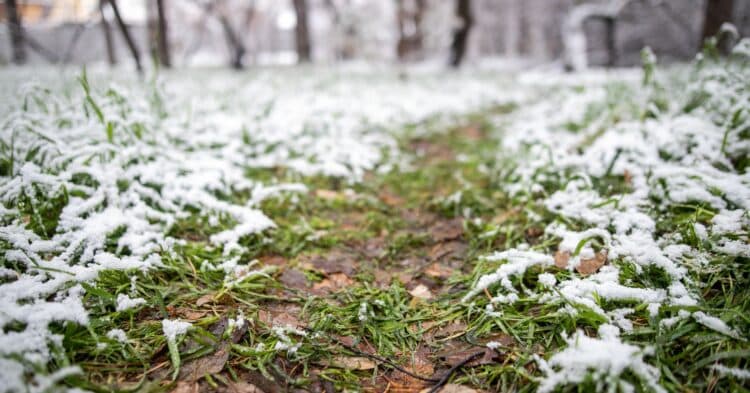
As winter blankets your lawn with a layer of snow, it’s important to remember that beneath that serene white cover, potential trouble can lurk. Snow mold, a common lawn disease, can wreak havoc on your grass during the winter months. However, with the right precautions and preventive measures, you can ensure that your lawn remains disease-free and ready to flourish come spring. In this article, we’ll explore the ins and outs of snow mold and provide valuable tips to keep your lawn healthy and vibrant throughout the winter.
Understanding Snow Mold
Snow mold, also known as snow fungus, is a fungal disease that can affect grass in colder climates. It typically appears as circular, discolored patches on the lawn when the snow begins to melt in the spring. There are two main types of snow mold: gray snow mold (Typhula spp.) and pink snow mold (Microdochium nivale). Both types can damage your grass and leave unsightly scars if not properly addressed.
Prevention Tips
Proper Lawn Care in Fall: A healthy lawn is better equipped to resist mold. Before winter arrives, ensure your lawn is well-maintained. This includes mowing it to the appropriate height and removing leaves and debris that can create an environment conducive to mold growth.
Fertilize Carefully: Avoid late-season fertilization, which can encourage new grass growth just before winter sets in. This tender growth is more susceptible to mold. Instead, focus on fertilizing in the early fall to promote root development.
Aerate Your Lawn:Aerating your lawn in the fall can help improve air circulation and reduce compaction, making it less favorable for mold development.
Rake Up Leaves: Fallen leaves can trap moisture and create an ideal environment for snow mold. Rake up leaves promptly in the fall to prevent this issue.
Keep Snow Drifts to a Minimum: Snow mold thrives beneath snow cover. Try to minimize the depth and duration of snow accumulation on your lawn by shoveling or plowing when necessary.
Avoid Snow Piles: Don’t pile snow from driveways or walkways onto your lawn. These snowbanks can create areas with prolonged snow cover, increasing the risk of smold development.
Prune Overhanging Trees: Trim branches that overhang your lawn to allow more sunlight to reach the grass. Mold tends to thrive in shady areas.
Consider Fungicides: In severe cases or if your lawn is prone to mold, you may want to consider applying a fungicide in the late fall. Consult with a lawn care professional for recommendations and application guidelines.
Post-Winter Care
After the snow has melted and spring arrives, assess your lawn for any signs of mold. If you notice affected areas, gently rake the matted grass to encourage drying and recovery. In most cases, the grass will bounce back with proper care.
Preventing snow mold on your lawn during winter is a matter of careful preparation and maintenance in the fall. By following these tips and keeping a vigilant eye on your lawn’s condition, you can enjoy a healthy, disease-free lawn come springtime. A little proactive care now can make all the difference in preserving the beauty of your lawn year-round.